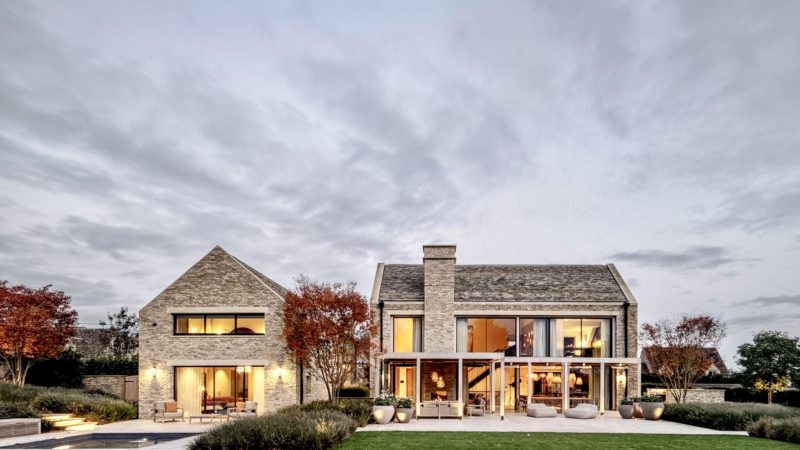
New House, Scotland
This 8,000 sq. ft. new private residence is set in the planted landscape of a 19th century estate and maximises its spectacular location. The house is built into a steep slope and faces south and west with panoramic views of the castle and the Portland Hills.
The approach to the front of the house is from below, up a steep winding road through mature woodland. The cantilevered living room and balcony project out over a broad horizontal rubble stone wall through which is the entrance. After proceeding down a gallery and ascending a lift at the end, the full extent of the views are finally revealed upon stepping out into the second floor living room. This main living floor also contains a dining room and open plan kitchen with a conservatory and external barbecue terrace orientated towards the west.
The third floor contains the master bedroom with its projecting bay window and double doors overlooking the living room below. Three further bedrooms on this floor look out to the base of a wooded glade to the North.
On the fifth floor, the ‘Captain’s Walk’ contains a day bed and offers panoramic three hundred and sixty degree views of the surrounding landscape. It is reached by a lift to the fourth floor and a diminishing width staircase thereafter. A ‘workroom’, with office and sewing area are situated on the intermediate first floor.
The sectional design of the building which is cut deep into the rock (dolorite), and the angle of the mono pitch roof, which is parallel to the natural slope of the site, both serve to diminish the true mass of the building. Reinforced blockwork retaining walls, with a bolted steel structure above, act as the primary structure with beam, block and timber joists spanning spanning between. External finishes include white render; Stantonmore stone; black anodised aluminium framed double glass and stainless steel fascia to the toughened glass balustrades.
The building, because of its orientation and passive design, creates a warmer, friendlier climate within it and through the use of large sliding full height double glass doors onto balconies and terraces allows the extended use of external spaces beyond the normal summer season.
(Photography by Richard Bryant)
House, Knightsbridge
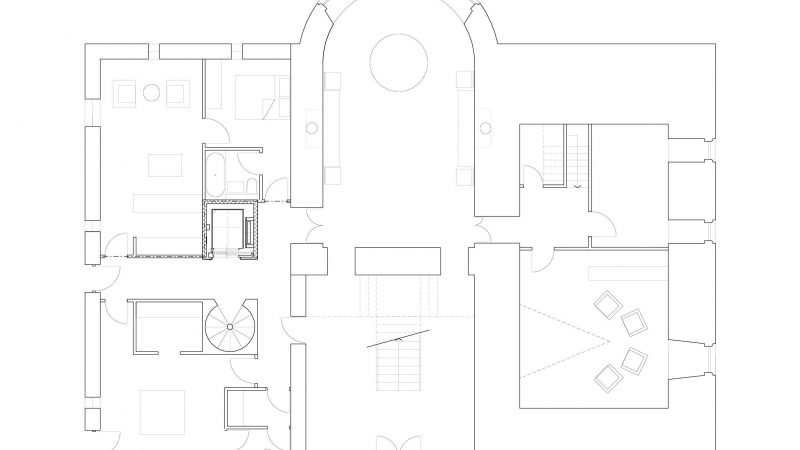
Planning Permission and Listed Building Consent were obtained for a structural glass conservatory and lift extension to this Grade 2 listed building. The conservatory is constructed from laminated glass beams, columns and frameless double glazed units and doors. This allows complete transparency to the restored rear facade from outside and the landscaped garden to become the rooms’ ‘wallpaper’ from the inside. The roof of the house has been raised to provide a further bedroom, play room and bathroom accommodation. The house was completely refurbished internally.
(Photography by Kilian O'Sullivan and Jefferson Smith)
(Landscape by Marcus Barnett Design)
House 1, Notting Hill
The conversion includes the renovation of an existing house, which was divided into two maisonettes, and the return of the house to a single family dwelling. Additions included: a wine cellar for over 3,000 bottles inserted into a basement below the front garden; a conservatory addition at the rear with structural glass roof and a large moving roof light at third floor level.
(Photography by Kilian O'Sullivan)
Flat, South Kensington
A marine fish tank is presented framed in the entrance hall (living painting) and is cantilevered over the kitchen counter affording views to the entrance hall from the kitchen. Light and material are manipulated throughout the flat to enhance the quality of living and maximises daylight. Planning permission for a further bedroom to the rear has also been obtained.
Mixed Use Development, Kensington
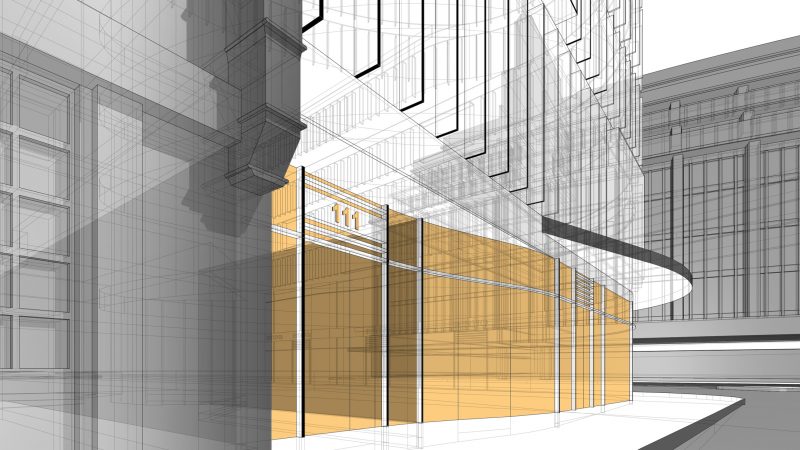
This mixed use development, in London, contains 30,000 sq. ft of retail/restaurant space at basement, ground and first floor levels, 20,000 sq. ft. Of office space and a residential tower of 14 apartments, including 2 duplex penthouses.
The design is based on a passive approach to sustainability. Residential units are thrust to the sky above the shadows of surrounding buildings. Each unit is oriented South and West and has a conservatory (solar gain) in which hot air is reused to heat the rest of the apartment. Office and retail spaces are placed below and in the shadow of surrounding buildings and vertical louvers to the facade prevent heat gain in the early morning and late evening when the sun is at its lowest. Active means of reducing carbon emissions include the use of ground thermal, solar thermal panels to the facade and photovoltaic cells.
The building also cleans up the polluted air at street level by directing the prevailing South Westerly winds downwards (the baffle prevents direct downdrafts). The tear drop design also allows cold North Easterly winds to bypass the building without uncomfortable swirling winds at street level.
The building is conceived of as one volume and turns a corner in a difficult and prominent urban context so that each facade relates directly to its Edwardian neighbours. These two different facades meet continuously at the corner and rise up to a tower that compliments two existing but very different ‘towers’ in the urban context. The tower also acts as a gateway ‘signal’ and a landmark at an important intersection.
The building is made of bolted and prefabricated components so that it can be recycled at the end of its lifespan.
New Swimming Pool, Surrey
This enclosed/open swimming pool is set within the grounds of a Grade II listed walled garden and is adjacent to a Nicholas Hawksmoor designed Orangery dated 1725.
The roof is retractable and coupled with sliding doors allows the pool to be opened to the outside during the warm summer months and closed during the long cold season. The roof is of lightweight insulation ‘sandwich’ on glulam beams with steel masts and transoms to counter the forces during opening and closing.
The building is oriented South and SouthWest, maximising exposure to the sun, and contains a children’s ‘beach’, changing ‘pod’ and bar.
New House, South London
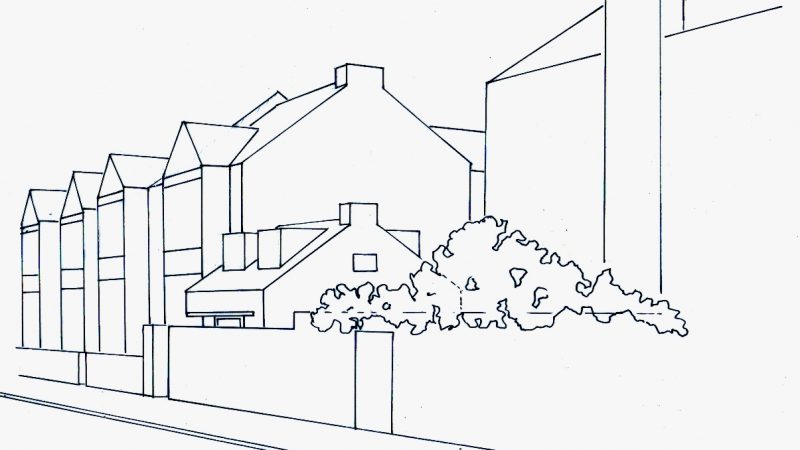
This new three bedroom house sits in a delightful conservation area and draws inspiration from the
remarkable and diverse architectural context of its surroundings. The massing, fenestration and scale of this building are inspired by that of a mews house and are subordinate to the main Grade 2 Listed Building in whose garden it is sited. Black painted ironwork, white render and London Stock brick reflect the local vernacular in materials. This exemplar sustainable house (with a 25% reduction in carbon emissions from what is required by Building Regulations) uses solar thermal, ground thermal and grey water recycling.
House 2, Notting Hill
A generously proportioned living room with an open plan kitchen/dining and fireplace extends fully to the rear and the garden beyond. A structural glass conservatory contains a steel and glass stairs and a ceremonial staircase connects the mezzanine library to the main living area. An additional mansard floor is added to this terraced house in a Conservation Area and, in the basement, a wine cellar, gym, cinema and games room are clustered around external courtyards.
House, Chelsea
A glass stair sweeps down through a double height living space connecting the dining area to a more informal seating area that spills out into the large south facing garden. Six meter high windows bring light deep into the plan altering the character of the space from ‘heavy’ basement to light filled ‘piano nobile’ space. A glass bridge connects to the roof of a structural glass conservatory freeing circulation to the garden at ground level.
House Extension, Cotswolds
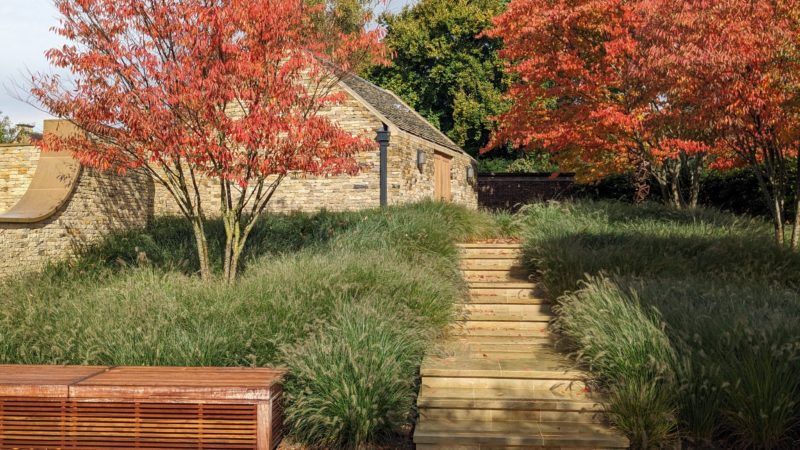
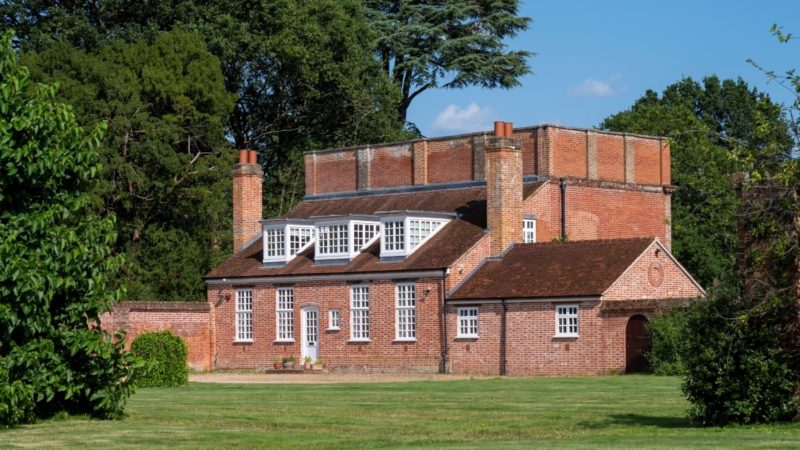
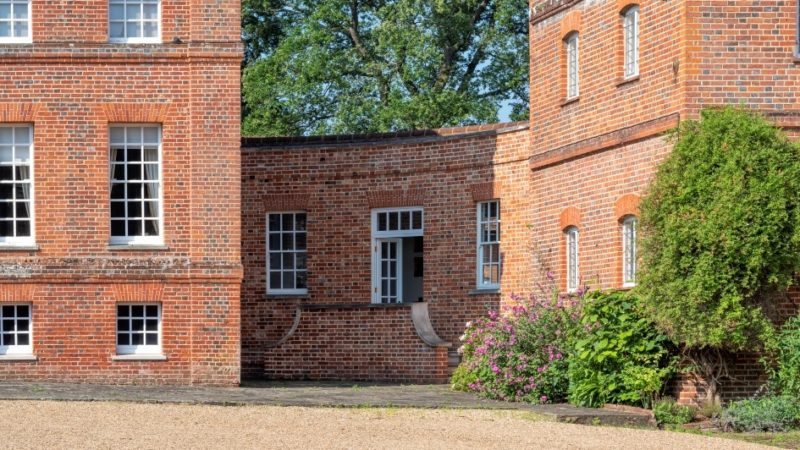
This extension to a Victorian rectory in the Cotswold’s includes a morning room with fireplace and open able roof light and a larger games room. The play full platonic volumes contrast in their detail and contemporary feel however, the context is important in terms of material, roof lines and opening heights. A brighter, intermediary space is created between inside and outside extending the summer season through passive bioclimatic orientation and design.
House Conversion, Cotswolds
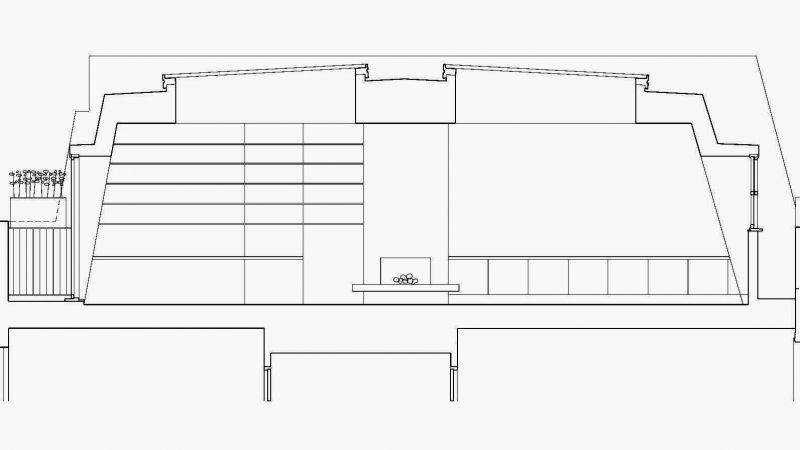
This conversion of a stables building into a small family house is currently under construction. Situated in a conservation area, the building is extended in a way sympathetic to its existing structure and context. The proposed ground floor is largley open plan with a modern conservatory bringing light deep into the living area and opening out views of the orchard. A corner-opening fireplace forms a centrepiece to the space.
Sculpture & Furniture Design
Memorial tablet
This memorial stone of granite reflects the pure aspiritions of an architect. Unity is achieved through division and distance. Light penetrates the separation at the moment of significance.
American walnut book case on wheels.
Three sliding walnut doors reveal deep bookshelves. The unit is on four wheels with brakes and can be moved around the large living space creating differing spaces for differing occasions.
Wenge sidetable converts to a dining table to seat 14.
The front dining room to this London house is used mostly as a playroom maximizing the ground family floor. The sideboard which contains children’s games and toys converts to dining table and serving sideboard when the room is used for dinner.
Solid American cherry sideboard with honed slate top.
The curvature of the piece with the random design of drawers creates a highly crafted solid hallway side table.